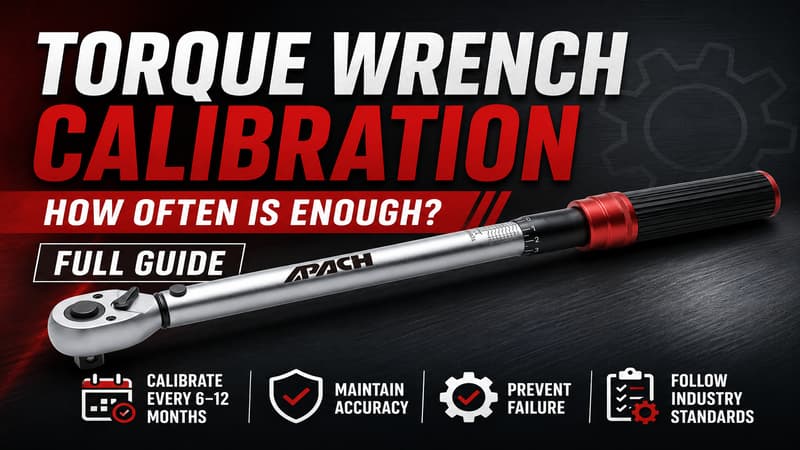
How Often Should You Calibrate a Torque Wrench? Expert Guide
A torque wrench is a precision tool, and like all precision instruments, it loses accuracy over time. Whether you are working in automotive repair, industrial assembly, or mechanical maintenance, incorrect torque can lead to equipment failure, safety risks, or costly rework.
So the key question is: How often should you calibrate a torque wrench? The answer depends on usage frequency, application criticality, and environmental conditions—but industry standards provide clear guidelines you can follow.
What Is Torque Wrench Calibration?
Torque wrench calibration is the process of verifying and adjusting the tool to ensure it applies the correct torque value.
Over time, internal spring tension and mechanical wear cause deviation between:
- Displayed torque value
- Actual applied torque
Calibration ensures your tool remains within acceptable accuracy limits.
How Often Should You Calibrate a Torque Wrench?
General Industry Standard
Most manufacturers and calibration labs recommend:
✔ Once every 12 months or every 5,000–10,000 cycles (whichever comes first)
This is the baseline for professional use.
Calibration Frequency by Usage Type
1. Heavy Professional Use (Daily Industrial Work)
- Every 3–6 months
- Or every 5,000 cycles
Used in:
- Automotive workshops
- Manufacturing lines
- Heavy machinery maintenance
2. Moderate Use (Weekly to Monthly)
- Every 12 months
Used in:
- Small workshops
- Fleet maintenance
- Construction equipment servicing
3. Light or Occasional Use (DIY / Home Use)
- Every 12–24 months
- Before critical projects if the tool was stored long-term
4. Safety-Critical Applications
- Every 3–6 months or per compliance requirements
Used in:
- Aviation
- Aerospace
- Medical equipment assembly
- Structural engineering
Factors That Affect Calibration Frequency
1. Frequency of Use
More cycles mean faster wear on internal spring mechanisms.
2. Dropping or Impact Damage
A single drop can completely alter calibration accuracy.
3. Storage Conditions
High humidity, heat, or improper storage can accelerate internal degradation.
4. Over-Torquing
Using the wrench beyond its rated capacity reduces long-term accuracy.
5. Tool Type
Click-type torque wrenches typically drift faster than digital models.
Signs Your Torque Wrench Needs Calibration
Watch for these warning signs:
- Inconsistent torque readings
- Clicking too early or too late
- Fasteners loosening after installation
- Unusual resistance or stiffness
- Failed torque verification tests
If you notice any of these issues, stop using the tool immediately and recalibrate it.
Recommended Torque Calibration Standards
Most industries follow one of these standards:
- ISO 6789 (Global torque wrench standard)
- ASME B107.300 (US standard)
- Manufacturer-specific calibration guidelines
Under ISO 6789:
- Tools must maintain ±4% accuracy (or better for premium models)
- Calibration records should be documented
Best Practices to Maintain Torque Accuracy
1. Always Return to Minimum Setting After Use
This relieves spring tension and helps prevent calibration drift.
2. Avoid Using a Torque Wrench as a Breaker Bar
Torque wrenches are not designed for loosening stubborn fasteners.
3. Store Properly
- Keep in a protective case
- Avoid moisture and dust
- Store at the lowest scale setting
4. Avoid Over-Torquing
Stay within the rated capacity of the wrench.
5. Use Regular Verification Checks
Use a torque tester when available between calibration intervals.
Torque Wrench Calibration vs Maintenance
Many users confuse calibration with maintenance:
| Task | Purpose | Frequency |
|---|---|---|
| Cleaning | Remove dirt and debris | After use |
| Lubrication | Reduce internal friction | As needed |
| Calibration | Ensure accuracy | 6–12 months |
Can You Calibrate a Torque Wrench Yourself?
You can perform basic verification, but true calibration requires:
- Certified torque calibration equipment
- Controlled testing environment
- Traceable measurement standards
✔ For professional work, always use a certified calibration service.
What Happens If You Don’t Calibrate?
Failing to calibrate can lead to:
- Over-tightened bolts (thread damage)
- Under-tightened fasteners (safety risk)
- Equipment failure
- Warranty voiding
- Compliance violations
In critical industries, these issues can result in serious operational risks.
Learn More
FAQ
1. How often should a torque wrench be calibrated?
Most torque wrenches should be calibrated every 12 months or 5,000–10,000 uses, depending on workload.
2. Do torque wrenches lose accuracy over time?
Yes. Internal spring fatigue and mechanical wear gradually reduce accuracy.
3. Can I still use a torque wrench if it has not been calibrated?
It is not recommended, especially for safety-critical or precision applications.
4. What is the standard accuracy for torque wrenches?
Most ISO-compliant torque wrenches maintain ±3% to ±4% accuracy.
5. How do I know if my torque wrench is out of calibration?
Inconsistent torque results or failed verification tests are common indicators.
Conclusion
Torque wrench calibration is not optional—it is essential for accuracy, safety, and performance.
As a rule of thumb:
- Heavy use: Every 3–6 months
- Normal use: Every 12 months
- Light use: Every 12–24 months
Regular calibration ensures your tools remain reliable while helping maintain safe and precise work results.
Keep Your Torque Wrench Accurate with Proper Calibration and Care
A torque wrench is only as reliable as its accuracy. Regular calibration, proper storage, and routine maintenance help ensure consistent fastening performance, reduce safety risks, and extend tool lifespan. Whether you use a torque wrench occasionally or as part of a daily production process, following recommended calibration intervals is essential for maintaining precision and meeting quality standards.
APACH understands the importance of accuracy, durability, and reliability in professional hand tool applications. With experience in developing quality tools for automotive repair, industrial assembly, and maintenance work, APACH provides dependable solutions designed to support safe and efficient operation. If you are looking for reliable torque wrench solutions or need assistance selecting the right tool for your application, feel free to contact us for more information.